
As November 11th approaches, communities across Canada gather to observe Remembrance Day. We wear red poppies, listen to solemn bugle calls, and stand together for two minutes of silence.
For many autistic children and adults—as well as those with sensory processing differences—these traditional ceremonies can present unique challenges. Unexpected cannon fire, crowded parks, rigid expectations around standing still, and scratchy lapel pins can quickly turn a meaningful moment of reflection into a source of sensory overload or distress.
Remembrance Day is fundamentally about honouring peace, memory, and community. True community inclusion means making room for everyone to participate in a way that feels safe, regulating, and accessible.
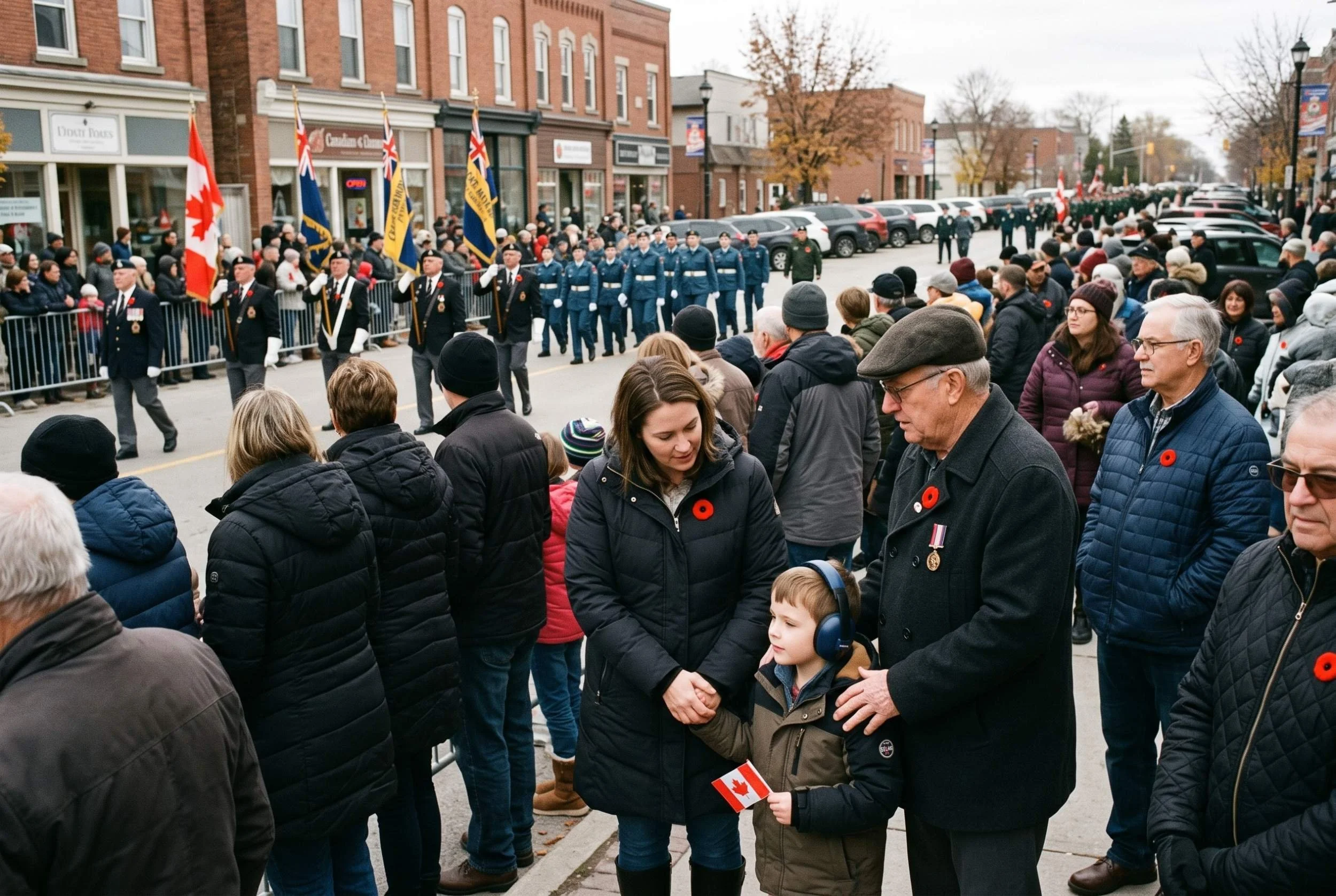
Why Traditional Ceremonies Can Feel Overwhelming
To support neurodiverse individuals during solemn occasions, it helps to understand what they might be experiencing:
Sensory Triggers: Loud speakers, sudden brass horn notes (The Last Post), unexpected crowd applause, low-flying aircraft, or chilly November weather can trigger intense sensory discomfort.
Unpredictability: Ceremonies held in public parks or community halls often lack clear visual boundaries or predictable timelines.
Abstract Concepts: Abstract ideas like "sacrifice," "war," or "holding solemn thoughts" can be confusing for literal thinkers who thrive on concrete explanations.
Physical Expectations: The expectation to stand motionless and silent for two minutes without an obvious visual countdown can cause anxiety or physical restlessness.
4 Ways to Support Neurodiverse Individuals on November 11th
1. Focus on Predictability First
Uncertainty breeds anxiety. Walking through the event step-by-step before it happens gives the brain a roadmap to follow. Use visual timelines, pictures of the location, or a simple Social Story to explain what will happen, what sounds to expect, and when it will end.
2. Ditch the Pin: Choose Sensory-Friendly Poppies
The traditional straight pin can poke delicate skin, catch on seatbelts, or trigger tactile sensitivities.
Look for Poppy Stickers or Iron-On Patches at local donation tables.
Upgrade standard felt poppies with the official Black Poppy Centre Pin (a secure butterfly clutch with no exposed needle) available through the official Royal Canadian Legion Poppy Store or local branches.
Explore pin-free alternatives like silicone wristbands or magnetic badge backs.
3. Re-frame the Two Minutes of Silence
Respect isn't measured by whether someone stands completely motionless.
Use Visual Timers: Bring a visual countdown app or a sand timer so there is a clear beginning, middle, and end to the silence.
Offer Flexible Postures: Sitting quietly, gently using a fidget tool, or stepping to the edge of the crowd is just as respectful as standing at attention.
4. Create an "Exit Strategy"
Always give your child or adult an option to take a sensory break. Identify a quiet zone—such as a nearby side street, a parked car, or a less crowded patch of grass—where they can step away if the sound or crowd becomes overwhelming.
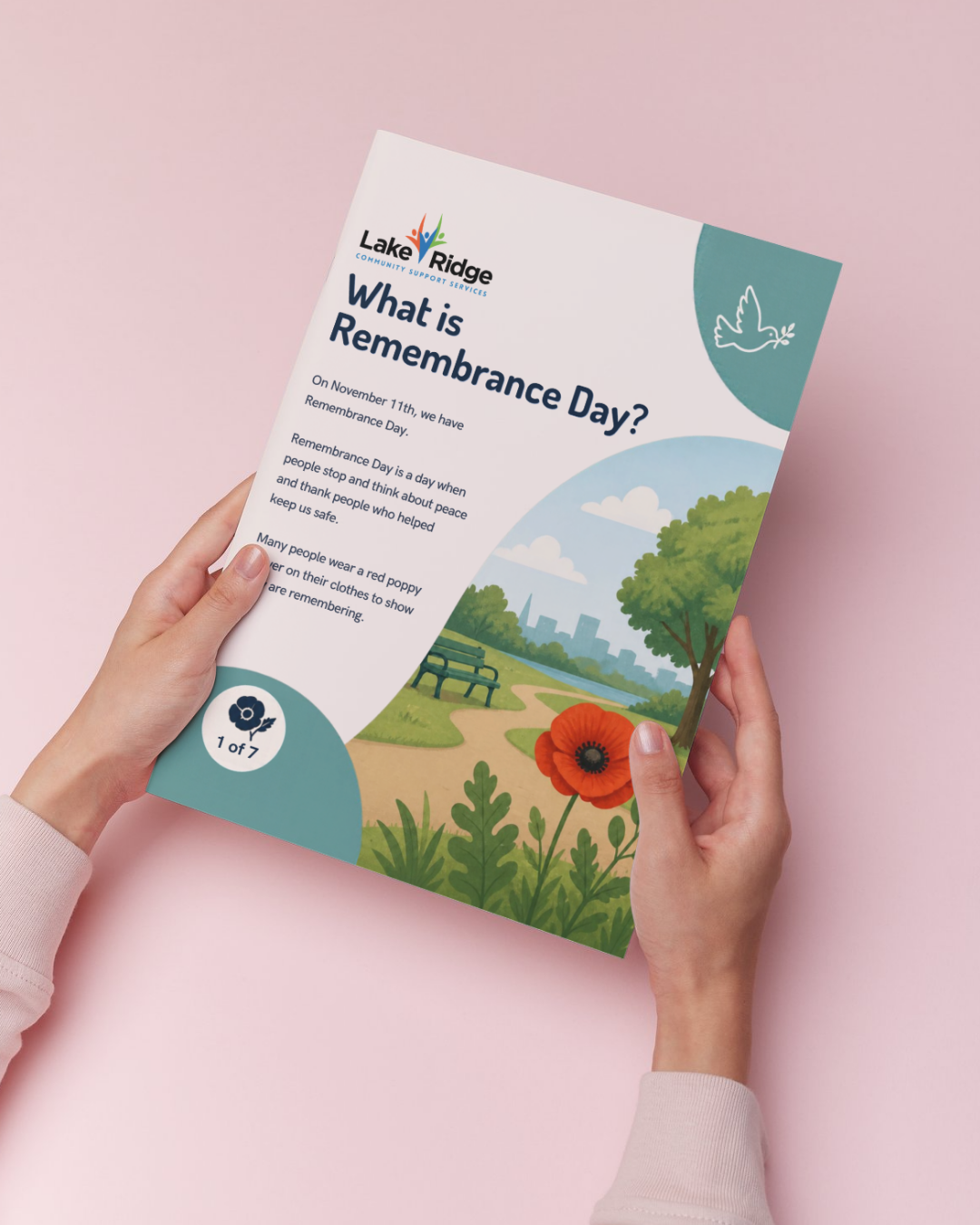
Free Resource: Our Remembrance Day Social Story
To help you prepare, we’ve put together a clear, accessible Social Story designed for home or classroom use. It breaks down the ceremony into simple steps, highlights sensory options like noise-canceling headphones, and offers reassuring choices for the two minutes of silence.
5. A Note for Bystanders: Reframing Respect at Community Ceremonies
Quiet solemnity is a traditional way to show honor, but it is not the only way.
If you are attending a ceremony and notice someone near you rocking, pacing, making vocal sounds, or using a fidget tool during the presentation or the two minutes of silence: please pause before rushing to judgment.
Stimming is Regulation, Not Disrespect: Behaviours like humming, hand-flapping, or shifting movement are often involuntary or self-regulating. For a neurodiverse individual, these actions are tools that help process an overwhelming sensory environment.
They Are Working Hard to Be There: Participating in a crowded, loud, and intense public event takes immense energy. That individual—and the parent or caregiver standing beside them—wants to honor our veterans and show their respect just like everyone else.
Caregivers Carry Anxiety: Parents and supporters often feel intense pressure during quiet public moments, fearing public judgment or cold looks. A sympathetic smile, a welcoming nod, or simply giving them space can relieve a massive weight.
Refusing to judge someone for how their body or brain reacts to a crowded space isn't just polite—it's the ultimate expression of community compassion. Everyone deserves the opportunity to remember.
💡 Copy & Share: The Bystander Kindness Checklist
Before you judge a disruption at a solemn event, ask yourself:
Could this person be neurodiverse or disabled?
Are they using movement or sound to keep themselves calm in a hard environment?
How can I show warmth to the family so they know they belong here?
True community respect makes room for every body and every mind.