
For many neurodivergent families, the winter holiday season comes with a mix of excitement and unpredictability. Between shifting schedules, loud community gatherings, and unfamiliar foods, big celebrations can quickly lead to sensory overload.
The good news? Because Hanukkah unfolds gradually over eight nights—anchored by a calm, repetitive candle-lighting ritual—it can actually be one of the most predictable and comforting holidays to adapt for autistic children and youth.
Whether you are celebrating quietly at home or heading to a community gathering, here is what the neurodivergent family experience often looks like during the Festival of Lights, practical ways to make traditions more accessible, and a complete, printable social story you can use to prepare your child.
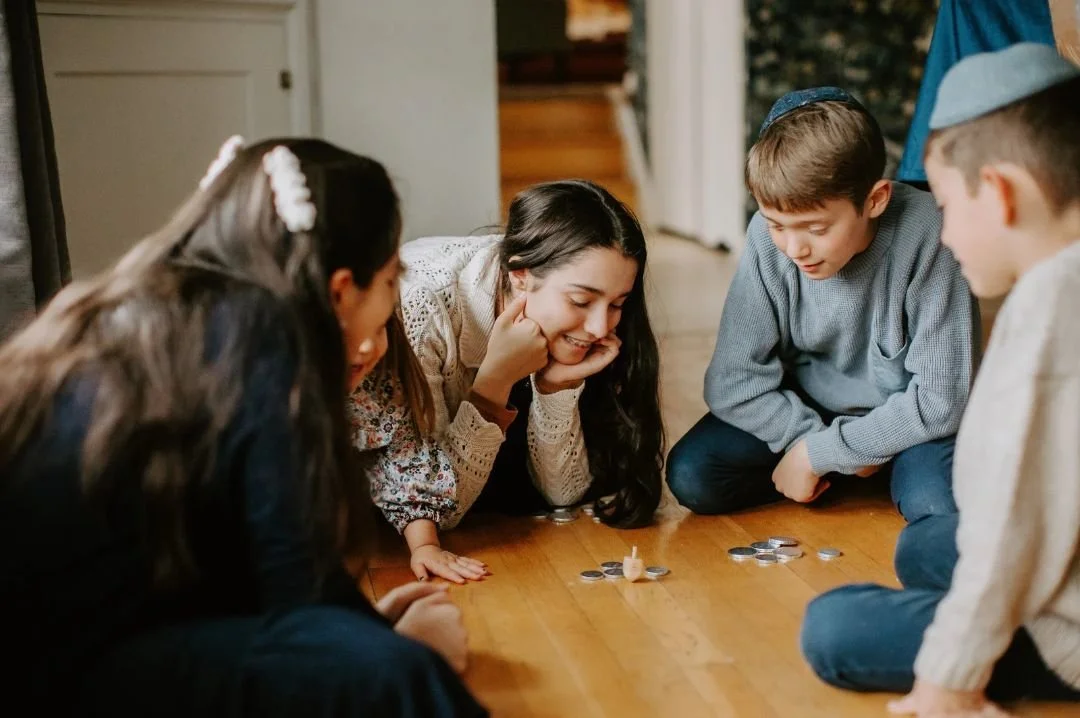
The Autism Family Experience During Hanukkah: What to Expect
Every autistic child has a unique sensory profile, and the very elements that make Hanukkah magical for one child might feel overwhelming to another. Understanding these common "sensory double-edged swords" can help you plan ahead with confidence:
The Magic—and Heat—of the Menorah: Watching candles flicker in a dimly lit room is deeply regulating and mesmerizing for many visual sensory-seekers. However, the smell of sulfur from matches, melting wax, or the proximity of open flames can trigger anxiety or sensory discomfort.
Kitchen Aromas & Food Textures: Traditional Hanukkah foods are fried in oil, which leaves a strong, lingering smell throughout the house. Foods like crispy potato latkes and jelly-filled sufganiyot (doughnuts) also come with complex textures that can be tough for selective eaters.
Built-In Routine vs. Late Nights: Lighting one additional candle each night creates a wonderfully visual, predictable countdown. On the other hand, waiting until sundown to light candles—or attending evening family dinners—can disrupt strict bedtime routines.
Gift-Giving Anticipation: Eight consecutive nights of surprises can create intense anticipation anxiety or transition meltdowns rather than excitement.
5 Easy, Sensory-Friendly Hanukkah Adaptations
You don’t need to follow every tradition to the letter for your celebration to be meaningful. Here are five simple adjustments families use to keep the holiday joyful and low-stress:
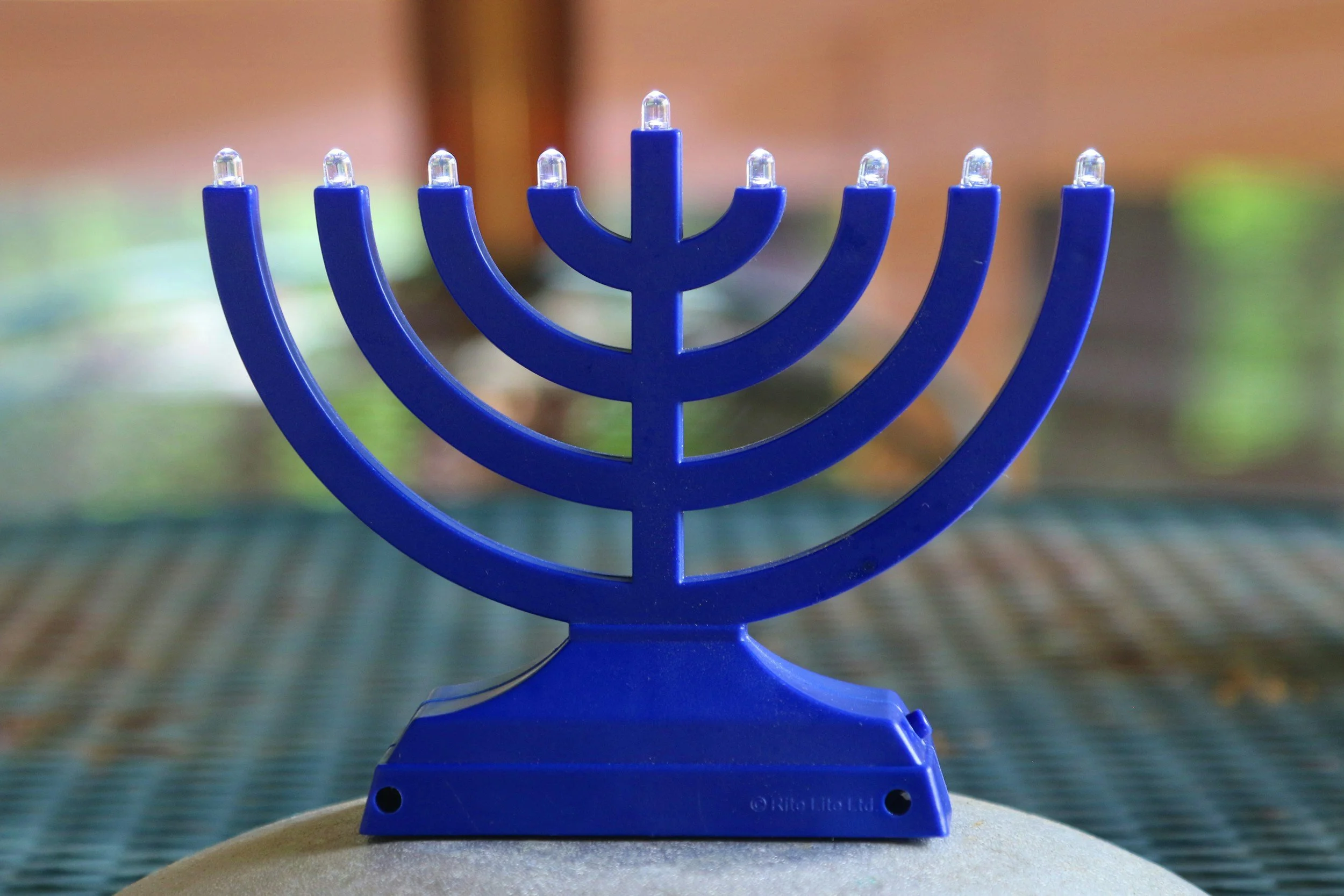
Swap Matches for Long Lighters or Electric Menorahs: Use a long-reach butane lighter to eliminate match smoke, or give your child their own LED/electric menorah so they can participate safely and independently without fire hazards.
Keep "Safe Foods" on the Table: Serve familiar favorites right alongside the latkes and applesauce, and take all pressure off trying new holiday foods. If frying smells are overwhelming, consider baking latkes in the oven instead.
Make Gifts Predictable: Consider doing one main gift night and keeping the other seven nights small and predictable (like chocolate gelt, books, or cozy socks). Letting your child know what kind of gift to expect—or using gift bags instead of noisy wrapping paper—can ease surprise anxiety.
Adjust the Clock: If sundown is too close to bedtime for a young child, it is completely okay to light your family’s candles earlier in the evening so sleep routines stay intact.
Scout Community Events Ahead of Time: Before attending a synagogue or community center party, email the organizer to ask about the schedule (such as when loud music or singing will happen), seating near an exit, or access to a quiet room or sensory space for decompression breaks.
Free Printable Social Narrative: Celebrating Hanukkah
Reading a social story a few days before Hanukkah begins helps children know what they will see, hear, smell, and do.